

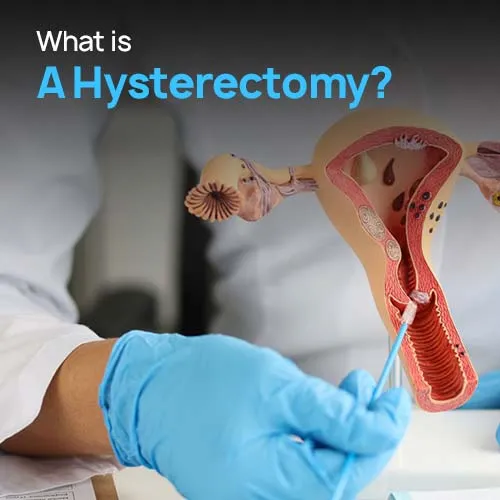
What is a Hysterectomy?
Hysterectomy is a gynecological surgery to remove the uterus. It is a very common treatment for patients with severe uterine health problems. Often this procedure is done as a “traditional open surgery” with a hospital admission, multi-day hospital stay, large abdominal incision, and a recovery that can last multiple weeks.
Nowadays, hysterectomies are done using laparoscopy by minimally invasive procedures where the patient goes home the same day and can return to normal activities in just a few weeks.
Unfortunately, there are too few surgeons that perform this surgery laparoscopically. I do the majority of the hysterectomies this way.
When is a hysterectomy the best option?
Many patients choose a hysterectomy after they have exhausted all other treatment options. However, it’s not uncommon to wait to have a hysterectomy until you’re finished having children. Because any hysterectomy involves surgical removal of the uterus, you can no longer become pregnant after a hysterectomy.
Some women with a family history of some cancers may choose this procedure to help reduce the chances of such problems as they age.
Some gynecological conditions that may be treated with a hysterectomy include:
-
severe endometriosis
-
uterine fibroids
-
uterine prolapse
-
cancer of the uterus or other nearby reproductive organs
-
abnormal uterine bleeding
-
chronic pelvic pain
What methods are used to perform a hysterectomy?
Abdominal hysterectomy
This is an “open surgery” that requires hospital admission and several days of inpatient recovery. As mentioned above, while this is a common way to perform a hysterectomy, it is almost always a far more invasive surgery than is necessary.
The surgeon makes an incision in the lower abdomen, underneath your navel, to expose the pelvic organs. The uterine tissue is then removed through the incision. Abdominal surgery is traditionally recommended for patients with large uteruses or those who have pelvic scar tissue from damage or disease. This type of surgery carries some risk of complications, including blood loss, tissue damage, and infection.
Laparoscopic hysterectomy
Virtually all our minimally invasive hysterectomies are performed via laparoscopy. A few tiny incisions in the patient’s abdomen and using special instruments with camera attached to its ends and special energy source devices the uterus with or without the ovaries may be detached completely from its attachments. The detached uterus is then removed either through the vagina or put in a plastic bag and removed through one of the incisions which may be enlarged.
This type of surgery also has less pain than an abdominal hysterectomy, less risk of infection, and less scarring. But our patient’s favorite benefit of minimally invasive surgery is faster recovery time — you’ll have weeks of recovery instead of months!